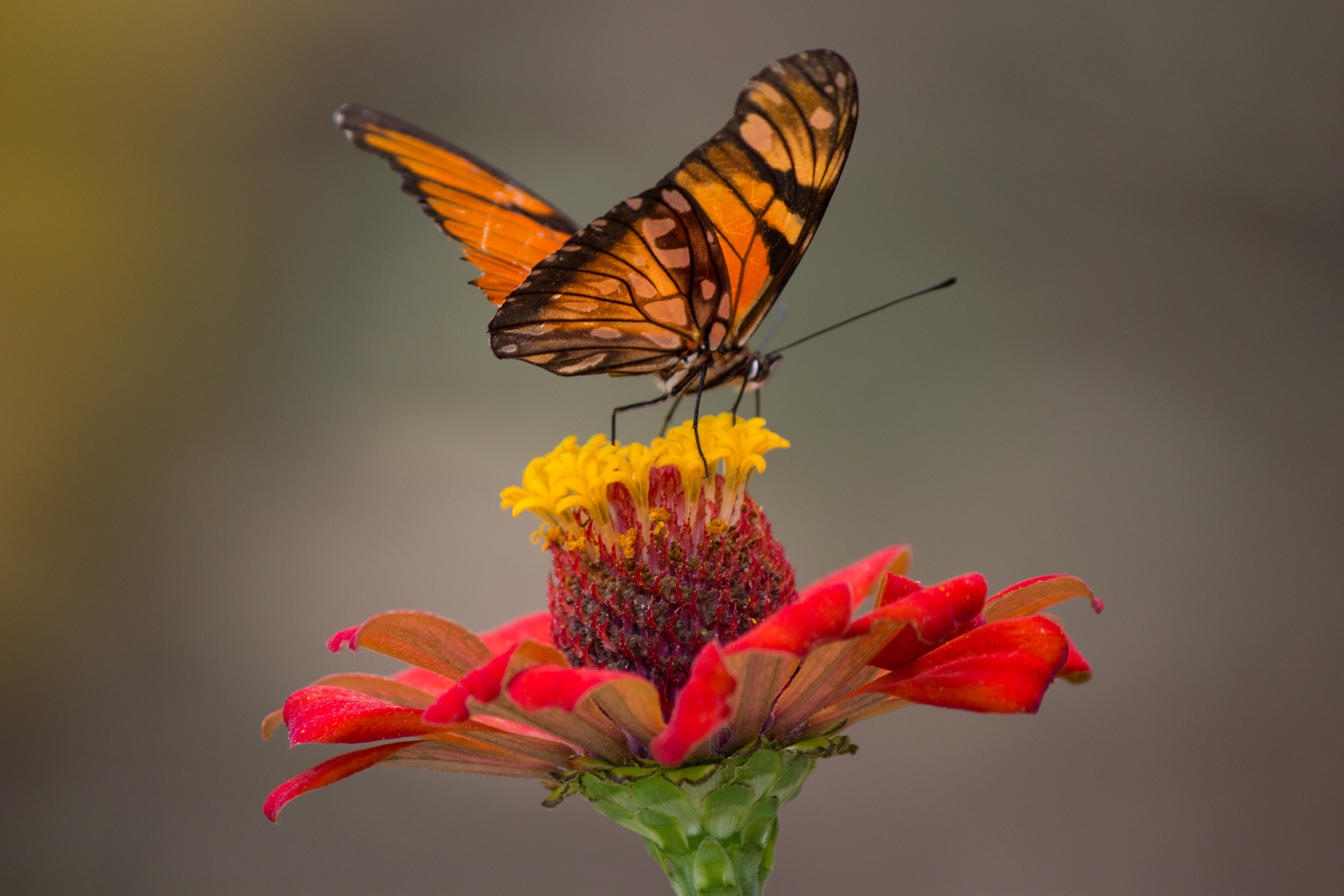
The Best Flowers to Attract Butterflies Bees and Hummingbirds
The Best Flowers to Attract Butterflies, Bees, and Hummingbirds
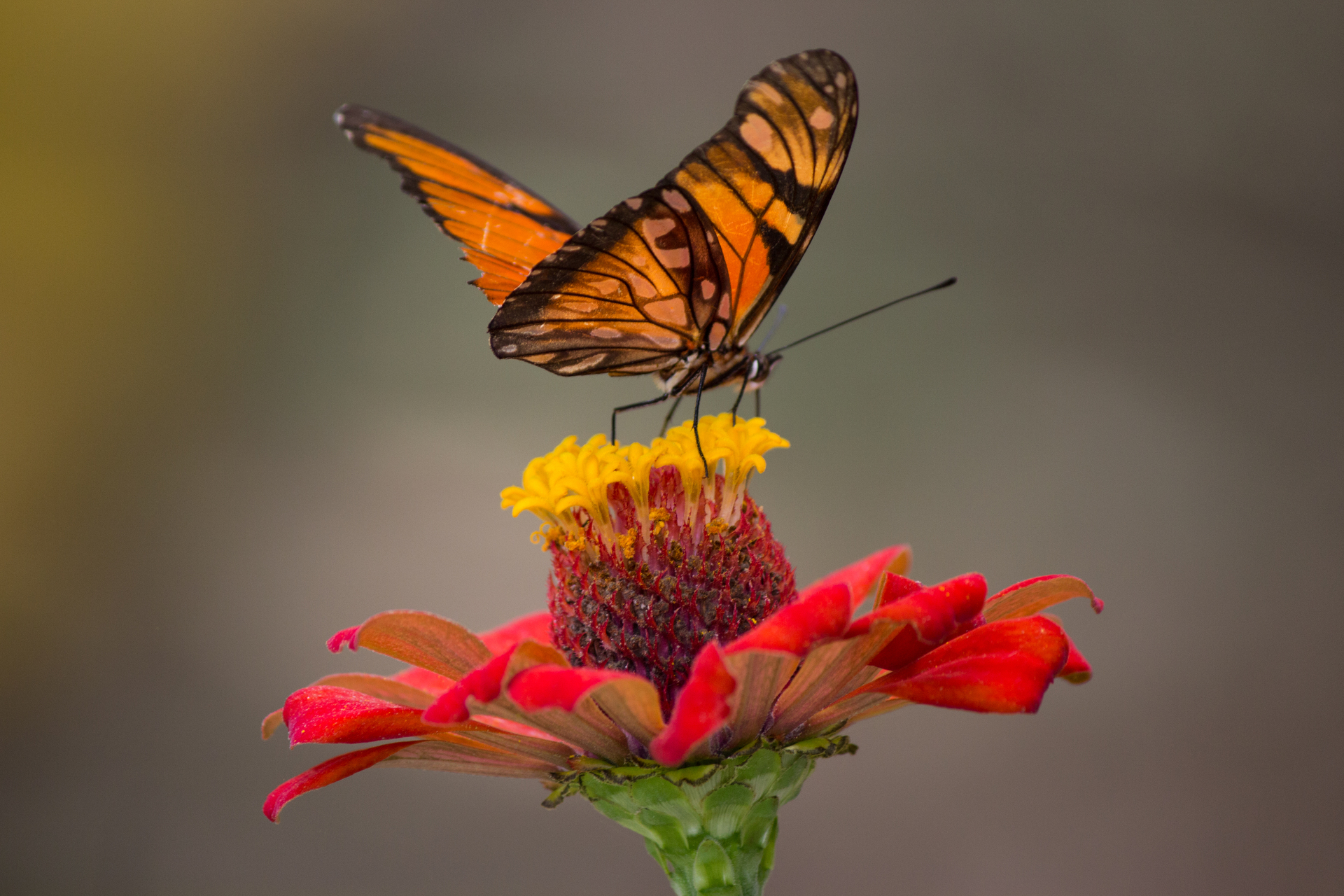
Create a Pollinator-Friendly Garden Full of Color, Life, and Beauty
Imagine stepping outside on a warm spring morning to the gentle hum of busy bees, colorful butterflies dancing from bloom to bloom, and hummingbirds darting through your flower beds like tiny flying jewels. A pollinator-friendly garden isn't just beautiful—it plays an important role in supporting local wildlife while creating a peaceful retreat you'll enjoy every day.
Whether you're planting a sprawling backyard garden, a cozy cottage garden, or a few containers on your porch, choosing the right flowers can transform your outdoor space into a thriving habitat for pollinators.
In this guide, you'll discover the best flowers to attract butterflies, bees, and hummingbirds, along with simple tips to create a garden that blooms with life from spring through fall.
Why Pollinators Matter
Pollinators are essential to healthy ecosystems. Bees, butterflies, hummingbirds, and even some moths help fertilize flowers by transferring pollen from one bloom to another. This process allows plants to produce seeds, fruits, and vegetables.
In fact, many of the foods we enjoy—including tomatoes, cucumbers, blueberries, squash, apples, and strawberries—depend on pollinators.
Unfortunately, pollinator populations have declined due to habitat loss, pesticide use, and changing climates. The good news? Every garden, no matter how small, can make a difference.
Best Flowers for Butterflies
Butterflies are drawn to brightly colored flowers with flat surfaces where they can comfortably land while feeding.
1. Coneflower (Echinacea)
Coneflowers are one of the easiest perennials to grow and bloom throughout much of the summer.
Why butterflies love them:
Rich nectar source
Long blooming season
Drought tolerant
Easy for beginners
Bonus: Goldfinches love eating the seeds in autumn.
2. Butterfly Bush
Despite its name, Butterfly Bush truly earns its reputation.
It produces large clusters of fragrant blooms that attract dozens of butterfly species throughout the growing season.
Available in:
Purple
White
Pink
Blue
Lavender
Plant in full sun for the best blooms.
3. Black-Eyed Susan
These cheerful yellow flowers provide nectar throughout the hottest months of summer.
They're also:
Low maintenance
Deer resistant
Excellent for cottage gardens
Beautiful alongside ornamental grasses
4. Milkweed
If you hope to see Monarch butterflies, milkweed is a must-have.
Milkweed serves as both:
A nectar source for adults
The only host plant where Monarchs lay eggs
Adding native milkweed is one of the most impactful things you can do for butterfly conservation.
Best Flowers for Bees
Bees prefer flowers with abundant pollen and nectar. They especially love blue, purple, white, and yellow blossoms.
5. Lavender
Lavender is famous for its soothing fragrance—and bees adore it.
Benefits include:
Long flowering season
Drought tolerance
Wonderful scent
Great for dried bouquets
Its fragrant blooms make gardens feel peaceful while supporting countless pollinators.
6. Bee Balm
Bee Balm produces spectacular fireworks-like flowers that attract bees by the hundreds.
It also attracts:
Butterflies
Hummingbirds
Beneficial insects
Bee Balm thrives in sunny locations with moderate moisture.
7. Salvia
Salvia blooms repeatedly through summer and requires little maintenance.
Its colorful flower spikes attract:
Bumblebees
Honeybees
Native bees
Hummingbirds
Available in purple, blue, red, pink, and white.
8. Sunflowers
Sunflowers are more than cheerful summer icons.
They provide:
Nectar
Pollen
Bird seed in autumn
Leaving seed heads standing after blooming gives finches and other songbirds an important food source.
Best Flowers for Hummingbirds
Hummingbirds are attracted to tubular flowers rich in nectar.
They especially favor red, orange, pink, and coral blooms.
9. Trumpet Vine
This vigorous climber produces hundreds of trumpet-shaped flowers every summer.
Perfect for:
Trellises
Arbors
Fences
Pergolas
Be aware that it grows quickly, so give it plenty of room.
10. Cardinal Flower
Cardinal Flower produces brilliant scarlet blooms that hummingbirds find irresistible.
It thrives in:
Moist soil
Partial sun
Pond edges
Rain gardens
Its dramatic flowers make a stunning focal point.
11. Coral Honeysuckle
Unlike invasive varieties, native Coral Honeysuckle provides nectar while remaining wildlife-friendly.
Hummingbirds return to it year after year.
12. Columbine
One of the earliest nectar sources available each spring.
Its unique bell-shaped flowers attract hummingbirds before many other plants begin blooming.
Flowers That Attract All Three
If you want one garden that supports butterflies, bees, and hummingbirds together, these plants are outstanding choices.
Bee Balm
Salvia
Zinnias
Cosmos
Lantana
Verbena
Coreopsis
Phlox
Blanket Flower
Penstemon
Planting several varieties creates a steady supply of nectar throughout the season.
Plan for Continuous Blooms
The most successful pollinator gardens provide flowers from early spring until frost.
Spring
Columbine
Phlox
Lupine
Creeping Thyme
Summer
Coneflowers
Bee Balm
Lavender
Black-Eyed Susan
Salvia
Fall
Goldenrod
Asters
Sedum
Joe-Pye Weed
By staggering bloom times, you'll provide food for pollinators all season long.
Tips for Creating a Pollinator Paradise
Plant in Groups
Large clusters of the same flower are easier for pollinators to find than scattered individual plants.
Choose Native Plants
Native flowers often provide the highest nutritional value for local pollinators.
Visit your local garden center or extension office to discover which native species thrive in your area.
Skip Harmful Pesticides
Many insecticides don't distinguish between harmful insects and beneficial pollinators.
Whenever possible, use natural gardening methods.
Provide Water
A shallow birdbath with small stones gives butterflies and bees a safe place to drink.
Changing the water regularly helps keep it clean and inviting.
Leave Some Wild Areas
Not every corner of your yard has to be perfectly manicured.
Small patches of native grasses, leaf litter, or hollow stems provide valuable nesting habitat for native bees and other beneficial insects.
Add Beauty Beyond Flowers
A truly inviting garden isn't just about plants.
Adding handcrafted garden décor creates visual interest while making your outdoor space more relaxing.
Consider adding:
Wind chimes that create soothing sounds with every breeze
Decorative bird feeders
Bird baths
Garden stakes
Vintage planters
Cozy seating tucked among flower beds
Thoughtfully placed garden décor helps create peaceful spaces where you can slow down, relax, and enjoy the beauty of nature all around you.
A Garden That Gives Back
Creating a pollinator garden is one of the simplest and most rewarding ways to support nature while enhancing your own outdoor space. Every flower you plant becomes a small act of stewardship, helping bees gather pollen, butterflies complete their life cycle, and hummingbirds refuel during their incredible journeys.
Whether you have acres of land or a single sunny patio, your garden can become a haven for wildlife and a place of peace for you and your family. Start with just a few pollinator-friendly plants, watch what visitors arrive, and let your garden grow naturally over time.
At Tea Garden Whimsies, we believe gardens should be more than beautiful—they should tell a story. From blooming flowers and visiting birds to handcrafted upcycled garden décor, every garden has its own unique charm. We hope these ideas inspire you to create an outdoor space that welcomes both nature and moments of quiet joy for years to come.