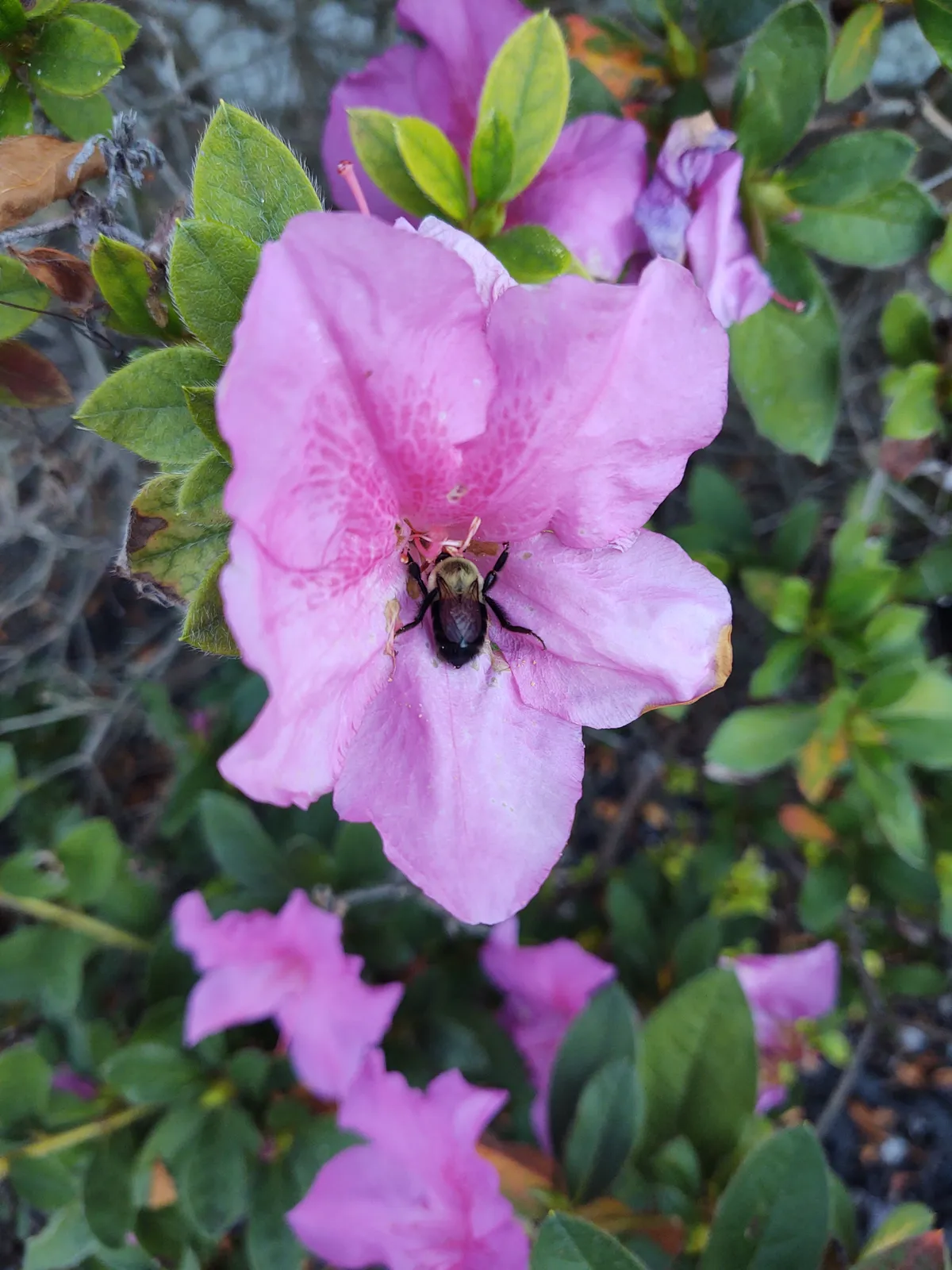
Don’t Clean Up Your Fall Garden Yet!
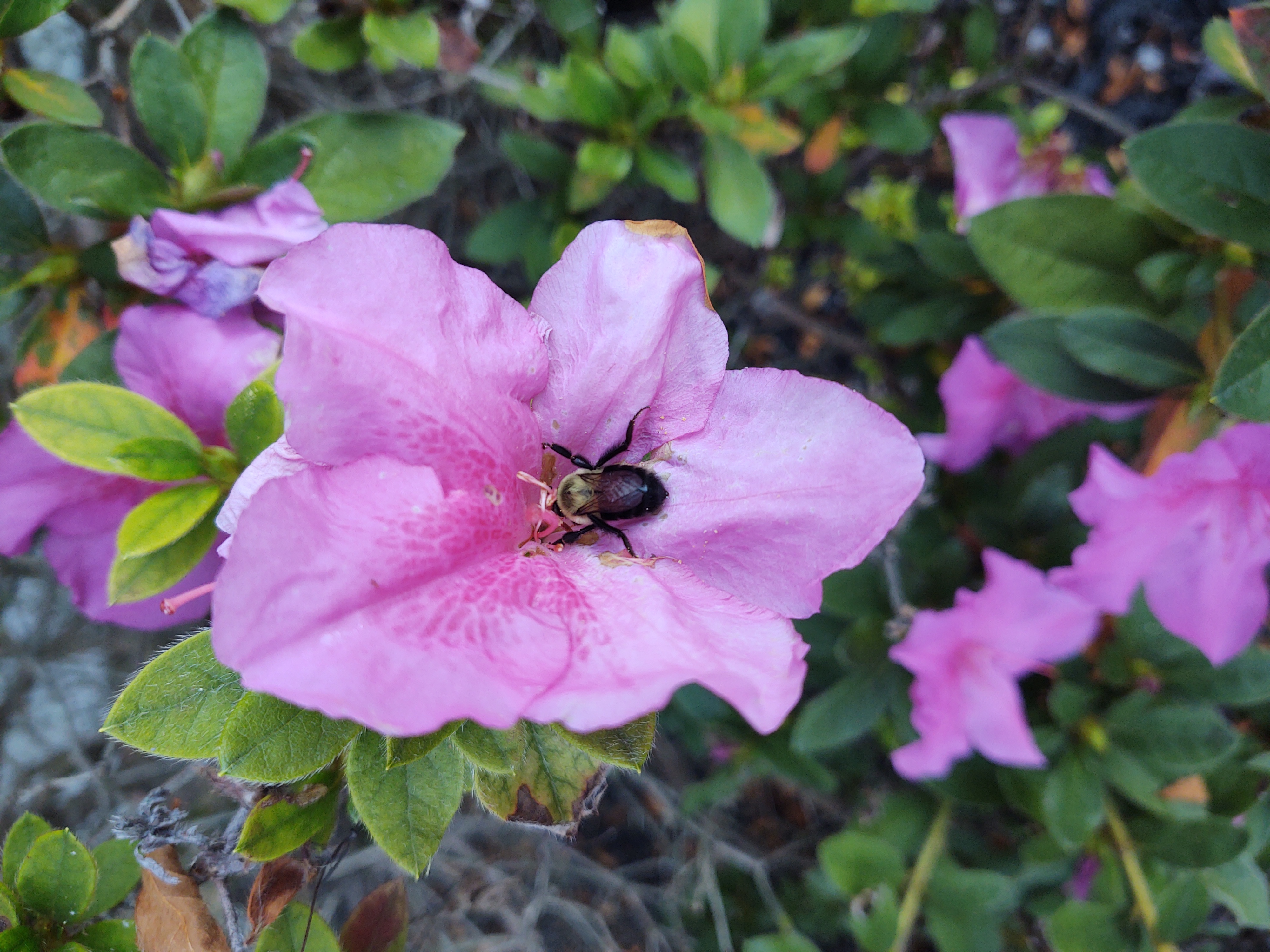
7 Things to Leave for Birds, Bees & Butterflies
There’s something about those first cool fall mornings that makes us want to head outside with the pruners, rake, and a big stack of garden bags.
The flowers are fading. Leaves are falling. Stems are turning brown. And suddenly that garden we fussed over all summer starts looking a little… perfectly imperfect.
But before you tidy away every last leaf and spent flower, consider leaving a little of that beautiful mess behind.
What looks like an untidy fall garden to us can be food, shelter, nesting material, and winter protection for the birds, bees, butterflies, and other tiny garden visitors that shared our space all summer.
So this fall, perhaps the garden doesn't need to be cleaned up quite as much as we think.
Here are 7 things worth leaving behind.
🍂 1. Leave Some of the Fallen Leaves
Those crunchy leaves aren't necessarily garden waste.
A layer of fallen leaves can provide valuable shelter for insects and other small creatures through the colder months. Some butterflies and moths spend part of their life cycle tucked into fallen leaves, too.
Instead of removing every leaf, consider leaving some beneath trees, shrubs, and garden beds where they can slowly break down and return organic matter to the soil.
Think of it as nature's winter blanket.
Garden Tip: Move leaves off lawns and walkways where you don't want them, but let some stay in less manicured areas of the garden.
🌻 2. Leave Those Spent Flower Heads
It can be tempting to snip every brown flower head once the blooms disappear—but the birds may appreciate it if you don't.
Plants such as sunflowers, coneflowers, black-eyed Susans, and asters can provide seeds for birds after flowering.
And there's something rather lovely about watching a little bird balance on a dried flower stem on a chilly morning while searching for breakfast.
Those faded flowers aren't finished with their job just yet.
🐝 3. Leave Some Hollow Stems Standing
Here's one I didn't always think about: those dried flower stems can become tiny winter homes.
Some native bees use hollow or pithy plant stems for nesting. Cutting everything down and hauling it away can remove habitat along with the garden debris.
Instead, leave some stems standing through winter. You can tidy them later when spring has truly arrived and warmer weather gives overwintering insects a chance to emerge.
Sometimes being a little lazy in the garden is actually helpful. Finally—a gardening chore we're allowed to put off! 😂
🐦 4. Leave a Small Brush or Twig Pile
You don't need a giant pile of branches taking over the backyard.
But in an out-of-the-way corner, a small collection of twigs and branches can create shelter for birds and other garden wildlife during cold or windy weather.
Tuck it behind a shrub or toward the back of a garden bed where it doesn't have to look messy.
Not everything in a wildlife-friendly garden has to be perfectly arranged.
After all, nature rarely is.
🌾 5. Leave Some Ornamental Grasses
Before cutting ornamental grasses to the ground, consider letting some remain until late winter or early spring.
Their seed heads may provide food, while the tall stems create cover and protection for small wildlife.
And there's another bonus for us humans: ornamental grasses can be beautiful in a winter garden, especially when frost catches the seed heads in the morning light.
Sometimes the prettiest garden isn't the tidiest one.
🦋 6. Leave the Late Bloomers Blooming
If something is still flowering, let it keep going!
Late-season blooms can provide an important final source of nectar and pollen when fewer flowers are available.
Asters, goldenrod, sedum and other fall bloomers can keep pollinators visiting long after much of the summer garden has faded.
Want ideas for planting a garden that keeps the visitors coming?
👉 Read: The Best Flowers to Attract Butterflies, Bees, and Hummingbirds
💧 7. Leave a Little Water for Wildlife
We tend to think about providing water during the hottest days of summer, but birds and other wildlife still need access to fresh water as temperatures cool.
A shallow water source in the garden can continue to be useful well into fall.
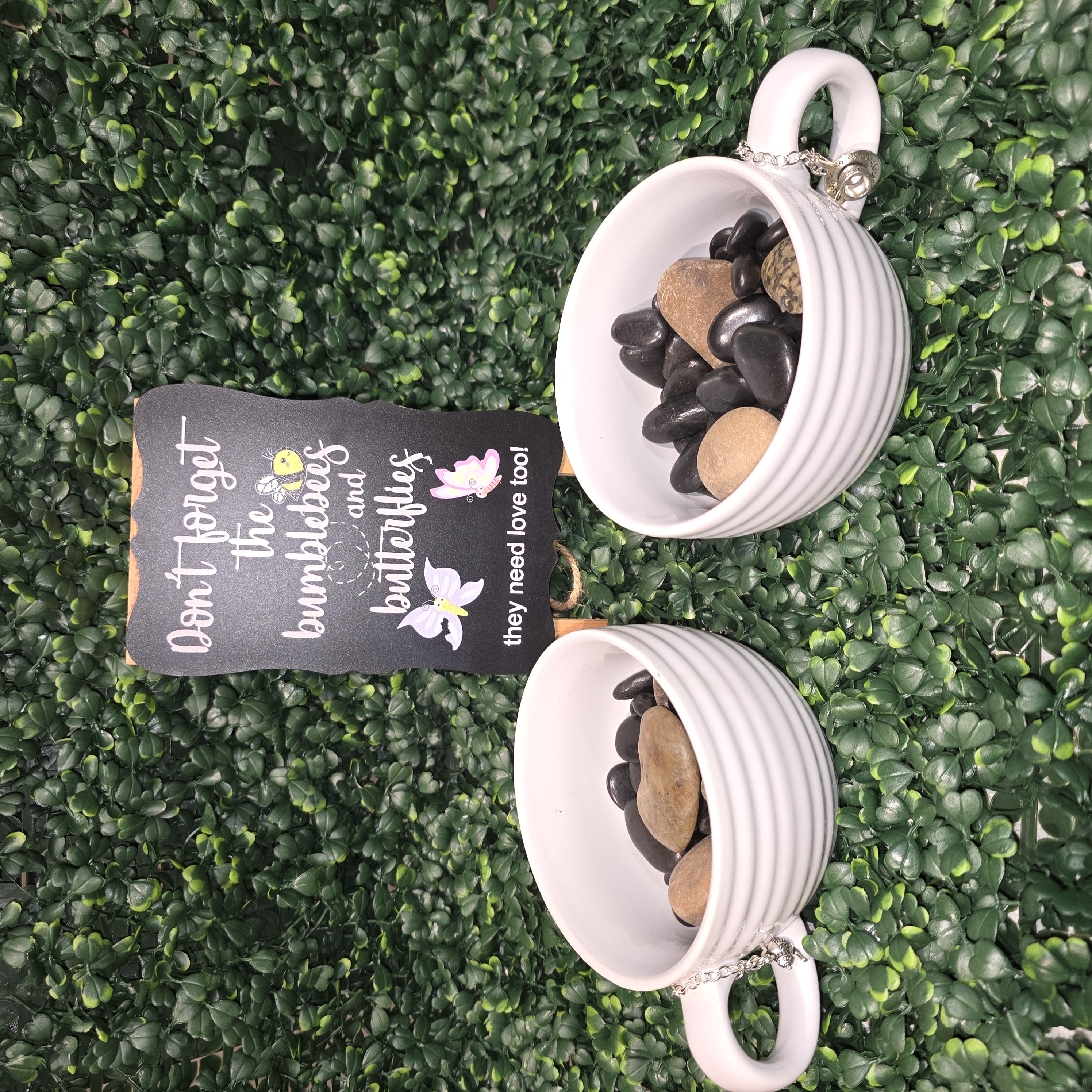
If you're providing water for smaller pollinators, give them safe places to land—such as stones, pebbles, or other shallow surfaces—rather than leaving deep open water.
And, of course, keep it clean and refreshed regularly.
🌿 Maybe Your Fall Garden Doesn't Need to Be Perfect
There will always be things that need trimming, raking, and putting away before winter.
But perhaps we don't have to clean up everything.
Leave a few seed heads.
Leave some stems.
Let a few leaves gather beneath the shrubs.
Keep a little water waiting for whoever stops by.
A garden doesn't stop being alive simply because summer has ended.
Sometimes the faded flowers, rustling grasses, fallen leaves, and tiny creatures tucked out of sight are simply the next chapter of the garden's story.
So this fall, give yourself permission to leave your garden just a little bit wild.
The birds, bees, and butterflies may thank you for it. 🐦🐝🦋
And around here, we happen to think perfectly imperfect is pretty beautiful anyway. 🌿