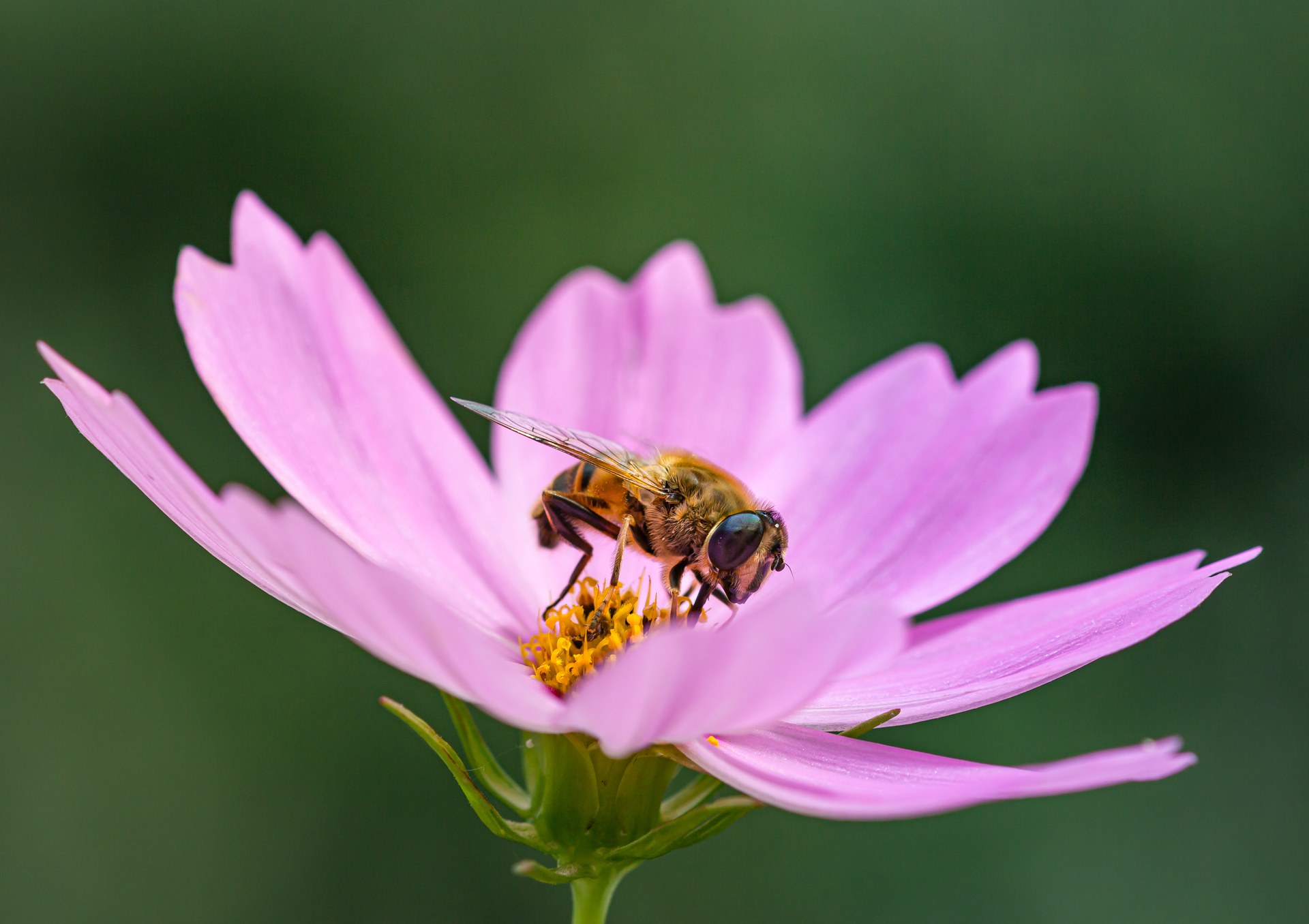
Why Pollinators Matter | 10 Simple Ways to Help Bees, Butterflies & Hummingbirds
Why Pollinators Matter More Than You Think (And 10 Easy Ways to Help Them Thrive)
When most people admire a beautiful garden, they notice the colorful flowers, the cheerful birds, or maybe even the gentle sound of a wind chime dancing in the breeze.
But the real magic is happening quietly all around us.
A honeybee collecting nectar.
A butterfly drifting from bloom to bloom.
A hummingbird hovering beside a flower.
These tiny visitors may seem ordinary, but they are among the hardest-working members of nature's team. Without them, our gardens—and even many of the foods we enjoy every day—would look very different.
At Tea Garden Whimsies, I believe every garden should be a place where both people and wildlife feel welcome. That's why creating spaces for pollinators has become one of my favorite parts of gardening.
What Exactly Is a Pollinator?
A pollinator is any animal that helps plants reproduce by carrying pollen from one flower to another.
Some of nature's most important pollinators include:
🐝 Honeybees
🐝 Native bees
🦋 Butterflies
🐦 Hummingbirds
🌙 Moths
🪲 Beetles
Even some species of bats help pollinate flowers in certain parts of the world!
Without these amazing creatures, many flowering plants simply couldn't produce seeds or fruit.
Why Pollinators Are So Important
Did you know that about one out of every three bites of food we eat depends on pollinators?
Think about some of your favorites:
Apples
Blueberries
Strawberries
Tomatoes
Cucumbers
Squash
Pumpkins
Watermelon
Peaches
Almonds
Even the beautiful flowers we plant to brighten our yards rely on pollinators to continue thriving.
When pollinator populations decline, it affects far more than just our gardens. It impacts farms, forests, wildlife, and ecosystems across the world.
The good news?
Each of us can make a difference—right in our own backyard.
Meet Some of Your Garden's Hardest Workers
🐝 Bees
Bees are superstar pollinators.
As they collect nectar and pollen for their colonies, they unknowingly pollinate thousands of flowers every single day.
Native bees are especially important because many plants have evolved alongside them for centuries.
🦋 Butterflies
Butterflies may not collect as much pollen as bees, but they travel farther between flowers, helping spread pollen across larger areas.
Plus...
Let's be honest.
Few sights are as magical as butterflies dancing through a summer garden.
🐦 Hummingbirds
These tiny flying jewels don't just drink nectar.
As they feed, pollen sticks to their feathers and beaks, allowing them to pollinate flowers as they visit each bloom.
Watching hummingbirds zip through the garden is one of summer's greatest gifts.
🌙 Moths
Most people never realize that many flowers bloom specifically for nighttime pollinators.
Moths quietly work while we sleep, helping plants reproduce under the moonlight.
🪲 Beetles
Beetles have actually been pollinating flowers for millions of years—long before bees appeared.
Nature has been relying on them for far longer than most people realize.
10 Easy Ways to Help Pollinators Thrive
Creating a pollinator-friendly garden doesn't require acres of land or expensive landscaping.
Small changes make a huge difference.
1. Plant Native Flowers
Native plants naturally provide the nectar and pollen local pollinators need.
They're also easier to maintain because they're already adapted to your area's climate.
2. Choose Flowers That Bloom All Season
Instead of planting everything that blooms in spring, choose a variety of flowers that bloom from early spring through late fall.
This gives pollinators a dependable food source throughout the year.
3. Provide Fresh Water
Just like us, pollinators need water.
Unfortunately, many water sources are simply too deep for tiny insects.
A shallow bowl filled with water and smooth stones gives bees and butterflies a safe place to land while they drink.
Even hummingbirds appreciate a nearby water source to cool off and bathe.
4. Skip Harmful Pesticides
Many pesticides don't just kill harmful insects.
They also harm beneficial pollinators.
Whenever possible, choose natural gardening methods that protect the helpful visitors your garden depends on.
5. Leave a Little Wild
It may feel strange, but leaving a small area of your garden slightly untidy actually helps wildlife.
Leaf litter, hollow stems, and patches of natural ground provide nesting places for many native bees.
Nature isn't always perfectly manicured—and that's okay.
6. Grow Flowering Herbs
Herbs like:
Lavender
Thyme
Basil
Oregano
Sage
produce beautiful flowers that pollinators absolutely love.
Plus, you'll enjoy fresh herbs in your own kitchen.
7. Add Birdhouses
Many birds help control harmful insects while supporting a balanced ecosystem.
Providing safe nesting places encourages them to return year after year.
8. Hang a Hummingbird Feeder
Fresh nectar helps supplement natural flowers, especially during hot summer months or migration seasons.
Just remember to keep feeders clean and refill them regularly.
9. Plant More Than Flowers
Vegetable gardens can be wonderful pollinator habitats too.
Tomatoes, peppers, squash, cucumbers, pumpkins, beans, and many herbs all produce flowers that bees adore.
10. Inspire Someone Else
Sometimes the biggest impact comes from sharing ideas.
Encourage a friend, neighbor, or family member to plant a few flowers or add a simple water source.
One yard becomes two.
Two become ten.
Soon entire neighborhoods become healthier habitats for wildlife.
Water Matters More Than Most People Realize
One of the simplest gifts we can offer pollinators is clean, fresh water.
Bees and butterflies often struggle to drink safely because deep bowls or birdbaths can become dangerous.
That's why shallow water bowls filled with smooth stones work so well.
The stones create tiny "landing pads" where insects can rest while taking a drink.
It's a simple idea, but one that can make a meaningful difference during hot summer days.
That simple need inspired my Nature's Sip™ Pollinator Water Bowls.
Each one is handcrafted from rescued vintage treasures, giving forgotten pieces of china a beautiful new purpose while providing a welcoming place for bees, butterflies, and other tiny garden visitors to rest and refresh.
To me, it's one small way we can care for the creatures that quietly care for our gardens every day.
Every Garden Can Make a Difference
You don't need a huge backyard.
You don't need expensive landscaping.
You don't even need dozens of flowers.
One flowering pot on a porch.
One hummingbird feeder.
One birdhouse.
Each small act creates another safe place for wildlife to thrive.
Imagine if every yard on your street offered just one little haven for pollinators.
Together, those small choices would create an incredible network of life.
A Garden Full of Life
Every buzzing bee...
Every fluttering butterfly...
Every hummingbird that pauses outside your window...
They're reminders that even the smallest creatures play an enormous role in our world.
A garden isn't just a place where flowers bloom.
It's a place where life connects.
By planting with purpose, offering fresh water, and creating welcoming spaces for wildlife, we're helping ensure these amazing pollinators continue their important work for generations to come.
And perhaps that's the most beautiful thing a garden can grow.
🌼 Continue Exploring Tea Garden Whimsies
If you're looking for more ways to welcome wildlife into your garden, you might also enjoy:
Together, we can create gardens filled with beauty, wonder, and life—one rescued treasure at a time. 🌿🐝🦋🐦